

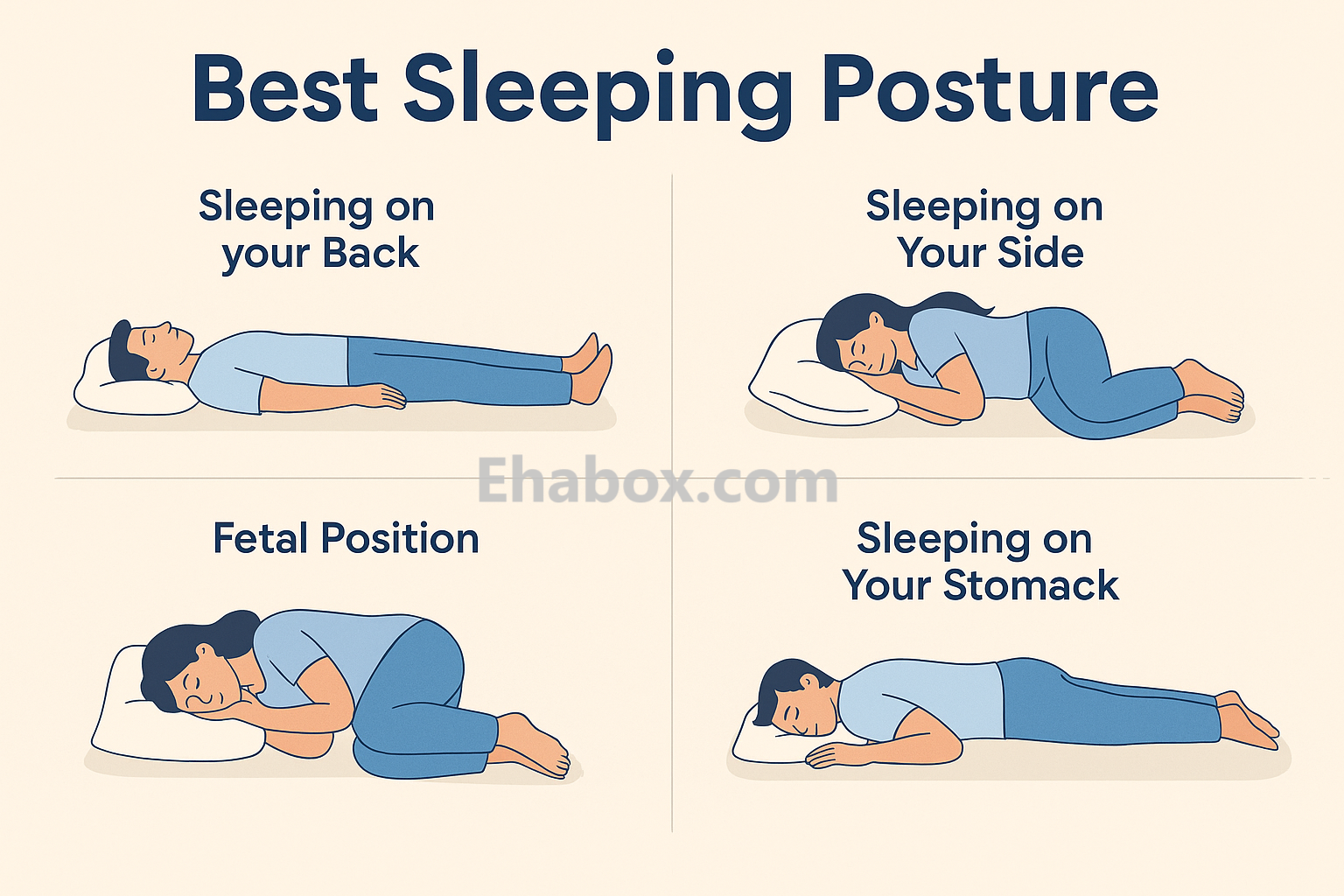
Finding the best sleeping posture is more than just about comfort—it’s about giving your body the rest and recovery it needs for your health and mind. How you sleep it can affect your spine alignment, breathing, and even how refreshed you feel the next morning. Back sleeping supports posture and reduces acid reflux, while left side sleeping improves digestion and eases snoring. For many, the fetal position brings comfort and relaxation. Avoiding stomach sleeping can also help prevent neck and back pain. Small changes, like using supportive pillows and choosing the right mattress, can make a big difference in your health and quality of sleep.
Whether you’re a side sleeper, a back sleeper, or someone who curls up like a cat, choosing the best sleep posture for your body can lead to deeper, more restorative rest and fewer morning aches.
In this article, we’ll explore why sleeping posture matters:
- The best sleeping postures for health and body
- Which sleeping positions impact your health
- Expert-backed tips to improve your sleep posture
- Real-life examples with illustrations
- FAQs on the best sleep posture
Why Sleeping Posture Matters
Your sleeping posture is more important than you may think. The way you sleep your body at night affects your spine, breathing, and even how energized you feel the next day. Poor posture can lead to morning stiffness, back or neck pain, headaches, and even worsen issues like acid reflux or snoring. On the other hand, the right sleep position helps your body relax, promotes proper blood flow, and supports muscle recovery. Think of it as overnight self-care—your posture while sleeping sets the tone for how you wake up. Simply put, better posture at night means better health by day. Sleeping posture affects your health in the following way:
- Neck or lower back pain
- Acid reflux
- Sleep apnea
- Shoulder stiffness
- Headaches
Just like good posture during the day prevents slouching, good posture while sleeping supports your spine and reduces pressure points.
Best Sleeping Postures (With Pros & Cons)
1. Sleeping on Your Back (Supine Position)
Best For: Spine alignment, reducing wrinkles, and minimizing acid reflux
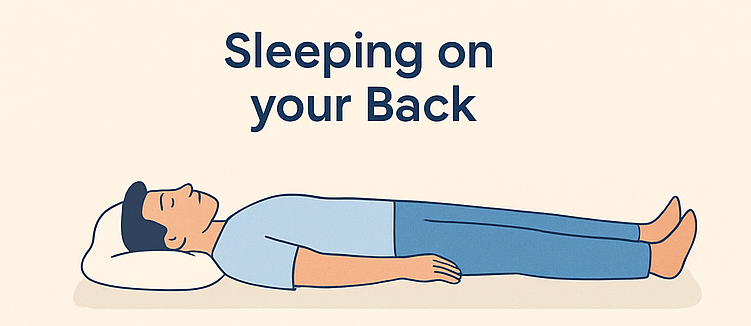
How to do it right:
- Use a medium-firm mattress
- Place a small pillow under your knees
- Keep your arms down or rested on your belly
Pros:
✅ Keeps spine in neutral alignment
✅ Reduces acid reflux (especially if you elevate your head slightly)
✅ Minimizes facial wrinkles from pillow contact
Cons:
🚫 May worsen snoring and sleep apnea
🚫 Not ideal during pregnancy
2. Sleeping on Your Side (Lateral Position)
Best For: People with sleep apnea, pregnancy, or digestive issues
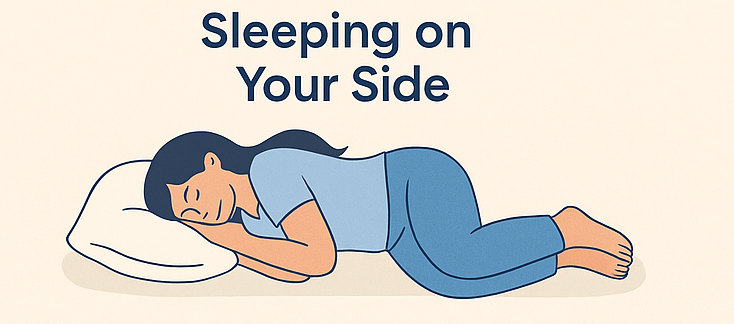
How to do it right:
- Lie on your left side for better digestion and blood flow
- Place a pillow between your knees to reduce hip strain
- Keep your neck aligned with a firm pillow
Pros:
✅ Reduces snoring
✅ Improves digestion (especially on the left side)
✅ Helps brain waste clearance (lymphatic flow)
Cons:
🚫 Can cause shoulder or hip pressure
🚫 Can lead to wrinkles on one side of the face
3. Fetal Position (Curled Side Sleeping)
Best For: It is best for Pregnancy and lower back pain
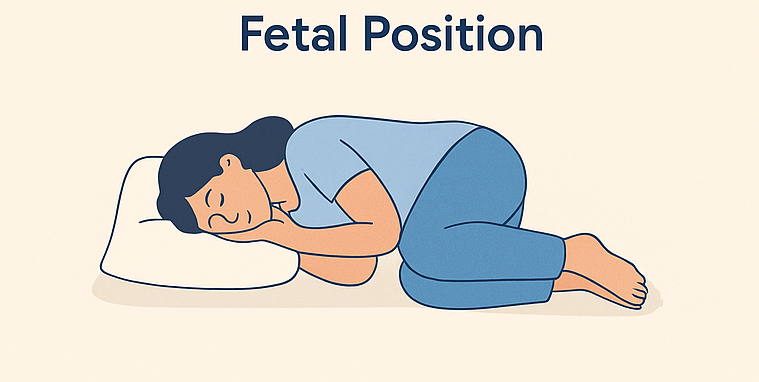
How to do it right:
- Curl up gently with your knees toward your chest
- Avoid over-tucking your chin
- Use a thick pillow to support your head
Pros:
✅ Comfortable and common
✅ Great for pregnant people (especially left side)
✅ Reduces snoring
Cons:
🚫 Can restrict deep breathing
🚫 May cause stiffness if curled too tightly
4. Sleeping on Your Stomach (Prone Position)
🚫 Do not sleep on your stomach, it is not recommended.
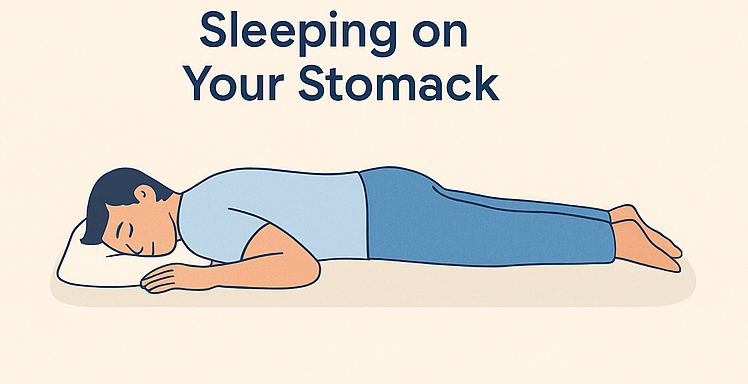
Why to avoid it:
- Twists your neck sideways
- Puts pressure on your spine
- Can lead to lower back pain
Tips if you must do it:
- Use a very thin pillow or none
- Place a pillow under your hips to ease pressure on your back
Visual: Examples of Best Sleeping Postures
Here is a visual guide of recommended positions:
| Posture | Visual Representation | Description |
|---|---|---|
| Back | Neutral spine, head and knees supported | |
| Side | Pillow between knees, straight spine | |
| Fetal | Gently curled body, relaxed neck |
Expert Tip
“Your pillow and mattress work with your sleep posture. Choose the right combo: a firmer pillow for side sleepers, a thinner one for back sleepers, and a mattress that supports your spine’s natural curves.”
— Dr. Neha Sharma, Sleep and Spine Specialist
How to Improve Your Sleep Posture
- ✅ Use a body pillow to prevent rolling onto your stomach
- ✅ Try a wedge pillow to elevate your head if you snore
- ✅ Switch to a medium-firm mattress for better spinal support
- ✅ Do light stretching before bed to release tension
- ✅ Practice deep breathing to ease into proper posture
❓ Frequently Asked Questions (FAQs)
Q1: What is the healthiest sleeping position?
A: Sleeping on your back with a pillow under your knees is often considered the best for spinal health. However, side sleeping—especially on your left—is best for digestion and reducing snoring.
Q2: Is it bad to sleep on your stomach?
A: Yes, stomach sleeping can strain your neck and spine. If you must do it, use a very thin pillow and place one under your hips to reduce pressure.
Q3: Which side is better to sleep on—left or right?
A: The left side is preferred. It promotes better digestion, improved circulation (especially during pregnancy), and can reduce acid reflux.
Q4: Can your sleeping posture cause health problems?
A: Yes. Poor posture during sleep can cause or worsen neck pain, lower back discomfort, shoulder tension, and even headaches over time.
Q5: How can I train myself to sleep in a new position?
A: Use pillow props (like behind your back or between your knees) and start by lying in the desired position while awake. It may take a few weeks to adjust.
Final Thoughts
Your best sleeping posture isn’t just about comfort—it’s about setting yourself up for better recovery, less pain, and deeper rest. Small tweaks to how you sleep can lead to big improvements in your overall health and well-being.
So tonight, ask yourself: “Is my body truly resting?”
If not, it might be time to reposition.
Leave a Reply